I still remember the first time I tried to sell a digital product. I was excited, but I made one of the most common beginner mistakes: I focused so much on making the product “perfect” that I barely thought about who it was for or how I would sell it. If that sounds familiar, you are not alone. A lot of beginners get stuck there, especially when they are also trying to figure out how AI can help them move faster and make better decisions.
The good news is this: selling digital products does not have to be confusing. Once you understand the biggest mistakes beginners make, you can avoid wasting time, save energy, and start building something that actually sells. And with tools like AI, the process can feel a lot less overwhelming.
The Biggest Mistakes Beginners Make When Selling Digital Products
Whether you want to sell ebooks, templates, planners, printables, courses, or faith-based digital products, the mistakes are often the same. Let’s go through them one by one in a simple way.
1. Making a Product Before Knowing the Problem
This is probably the biggest mistake. Many beginners create a digital product based on what they think is cool, instead of what people actually need. If your product does not solve a real problem, it becomes much harder to sell.
Try this instead:
- Ask your audience what they struggle with.
- Look at comments, questions, and complaints in your niche.
- Check what people are searching for on Google, Pinterest, Etsy, or YouTube.
AI can help here too. You can ask ChatGPT for content ideas, common pain points, and product angles. If you want to explore AI tools, check out ChatGPT by OpenAI.
2. Trying to Sell to Everyone
When you try to reach everybody, your message becomes too broad. Beginners often say, “This product is for anyone who wants to make money,” but that is too vague. People buy when they feel like the product was made for them.
Be specific:
- Who is your product for?
- What is their exact struggle?
- What result do they want?
For example, instead of “business planner,” you could say “simple weekly planner for busy Christian women building a side hustle.” That is much clearer and easier to market.
OTHER RELEVANT POST


3. Waiting Too Long to Launch
A lot of beginners keep tweaking fonts, colors, covers, and layouts forever. But making money usually starts when you launch, not when you endlessly polish.
A better approach:
- Create a simple version of your product.
- Get it in front of real people.
- Improve it based on feedback.
Think of your first product as version one, not the final masterpiece. Progress matters more than perfection.
4. Ignoring the Power of AI
If you are learning how to sell digital products in this AI era, do not ignore the help that is available. AI can save you hours. It can help you brainstorm product ideas, write product descriptions, outline an ebook, create social media captions, and even plan your launch.
Helpful AI tools to explore:
- ChatGPT for brainstorming, writing, and outlining
- Canva for designing digital products and graphics
- Grammarly for cleaning up grammar and clarity
- Google Trends for checking what people are searching for
AI should not replace your voice. It should support your ideas and make the work easier.
5. Not Creating a Clear Offer
Another common mistake is having a great product but a weak offer. People need to quickly understand what they are buying, what it helps them do, and why it is worth the price.
Your offer should answer these questions:
- What is it?
- Who is it for?
- What problem does it solve?
- What result can the buyer expect?
Keep your wording simple and direct. If someone has to guess what your product does, the offer is too unclear.
6. Not Promoting Your Product Enough
Some beginners think one post is enough. It is not. People need to see your product more than once before they buy. If you are quiet after launch day, you are leaving money on the table.
Promote consistently with:
- Short videos
- Instagram or Facebook posts
- Pinterest pins
- Email marketing
- Simple blog posts
One helpful tip is to talk about the problem your product solves, not just the product itself. People connect with transformation.
7. Pricing Too Low or Too High Without a Plan
Pricing can feel scary. Many beginners either underprice their product because they do not believe in its value, or they price it too high without proving the result first.
A simple way to think about pricing:
- Start with a price that feels fair for the value.
- Consider your audience and niche.
- Compare similar products in your market.
- Adjust as you learn what sells.
The right price is not just about numbers. It is about perceived value, trust, and clarity.
A Simple Step-by-Step Way to Sell Digital Products
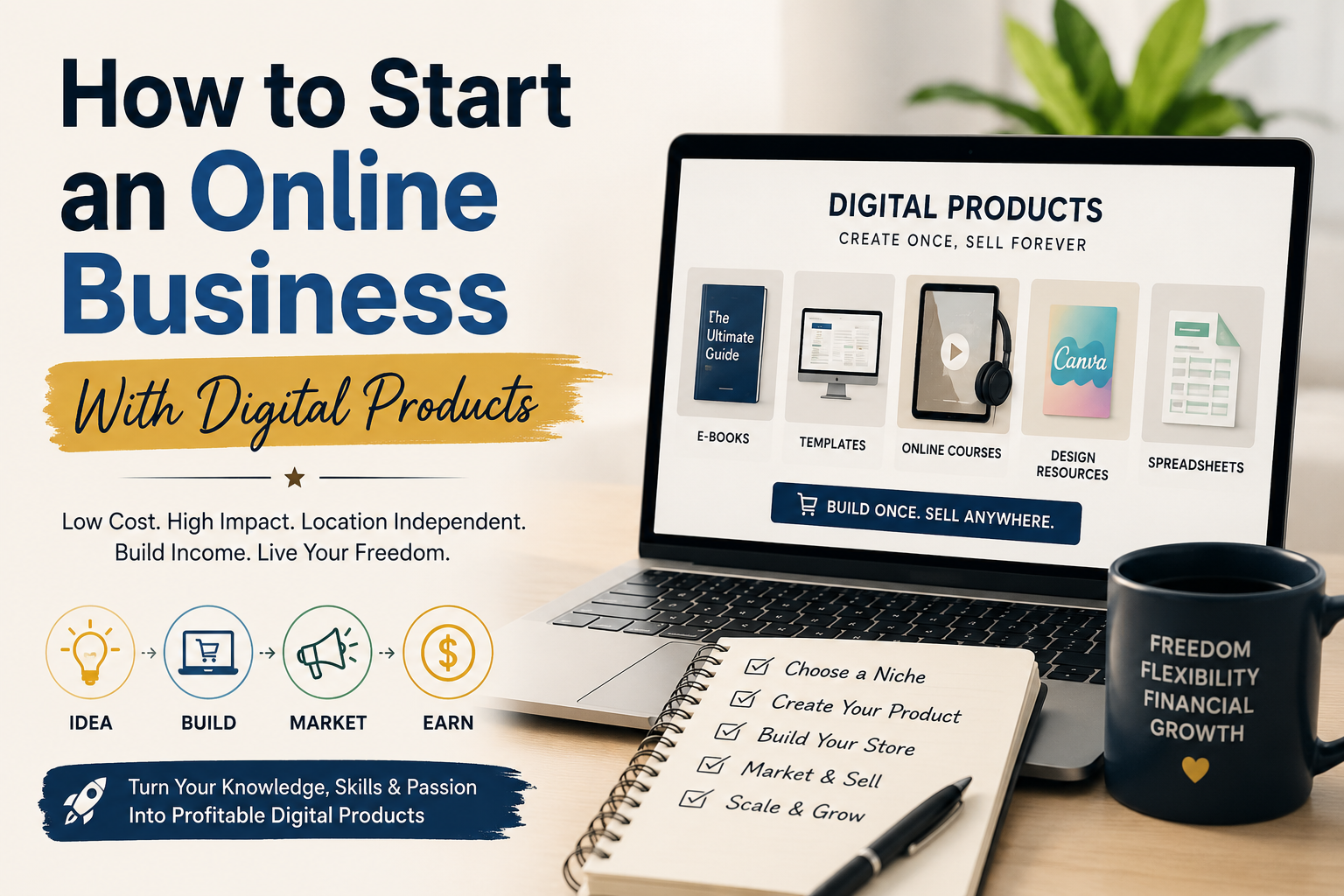
If you want a cleaner path forward, here is a simple process you can follow:
- Pick one problem. Choose a specific struggle people want solved.
- Use AI for ideas. Ask AI to help you brainstorm product formats and content outlines.
- Create a simple product. Use Canva, Google Docs, or another easy tool.
- Write a clear description. Explain the benefit in plain language.
- Set up your sales page. Make it easy to understand and easy to buy.
- Promote consistently. Share tips, examples, and results often.
My Best Tips for Beginners
- Start small instead of waiting for the “big idea.”
- Use simple language in your product and marketing.
- Focus on solving one problem really well.
- Learn from each launch instead of expecting perfection.
- Use AI to speed up the boring parts so you can focus on creativity.
If you want inspiration for what to create, take a look at my shop here: my faith-based digital products.
Why AI Makes This Easier
AI is not here to replace your creativity. It is here to make your work faster and less stressful. If you use it well, AI can help you:
- find product ideas faster
- write clearer descriptions
- create content ideas for social media
- organize your launch plan
- save time on repetitive tasks
For practical SEO guidance while building your content, you can also check Google Search Central’s SEO Starter Guide.
FAQ
What digital products are best for beginners?
Simple products like ebooks, checklists, planners, templates, printables, and mini guides are great starting points because they are easier to create and sell.
Can I use AI to create digital products?
Yes. AI can help with ideas, outlines, writing, editing, and marketing. Just make sure your final product still reflects your own voice, value, and accuracy.
How do I know if my product idea is good?
A good product idea solves a real problem for a specific group of people. If people already ask questions about that topic, it is usually a strong sign.
Do I need a big audience to sell digital products?
No. You do not need a huge audience to start. You need a clear offer, a useful product, and consistent promotion.
Final Thoughts
Selling digital products gets much easier when you stop making the common beginner mistakes. Focus on solving a real problem, speak to a specific audience, use AI to save time, and keep promoting your offer. You do not need to be perfect to begin. You just need to start, learn, and improve along the way.
If you are ready to build smarter in this AI era, take the next step today: create your first product, improve your offer, and start showing up consistently. Your future buyers are out there already looking for what you have to share.