When people ask me whether they should sell digital or physical products, I usually ask them to pause before looking for one universal answer. I have seen beginners choose a model because it looked popular, then discover that the day-to-day work did not fit their time, budget, or strengths. Comparing digital products vs physical products for beginners works best when you look at the real work behind each option.
Neither route is automatically better for every person. A thoughtful choice comes from understanding the trade-offs, then starting with the simplest version that you can manage well.
Digital Products vs Physical Products for Beginners: Start With the Fit
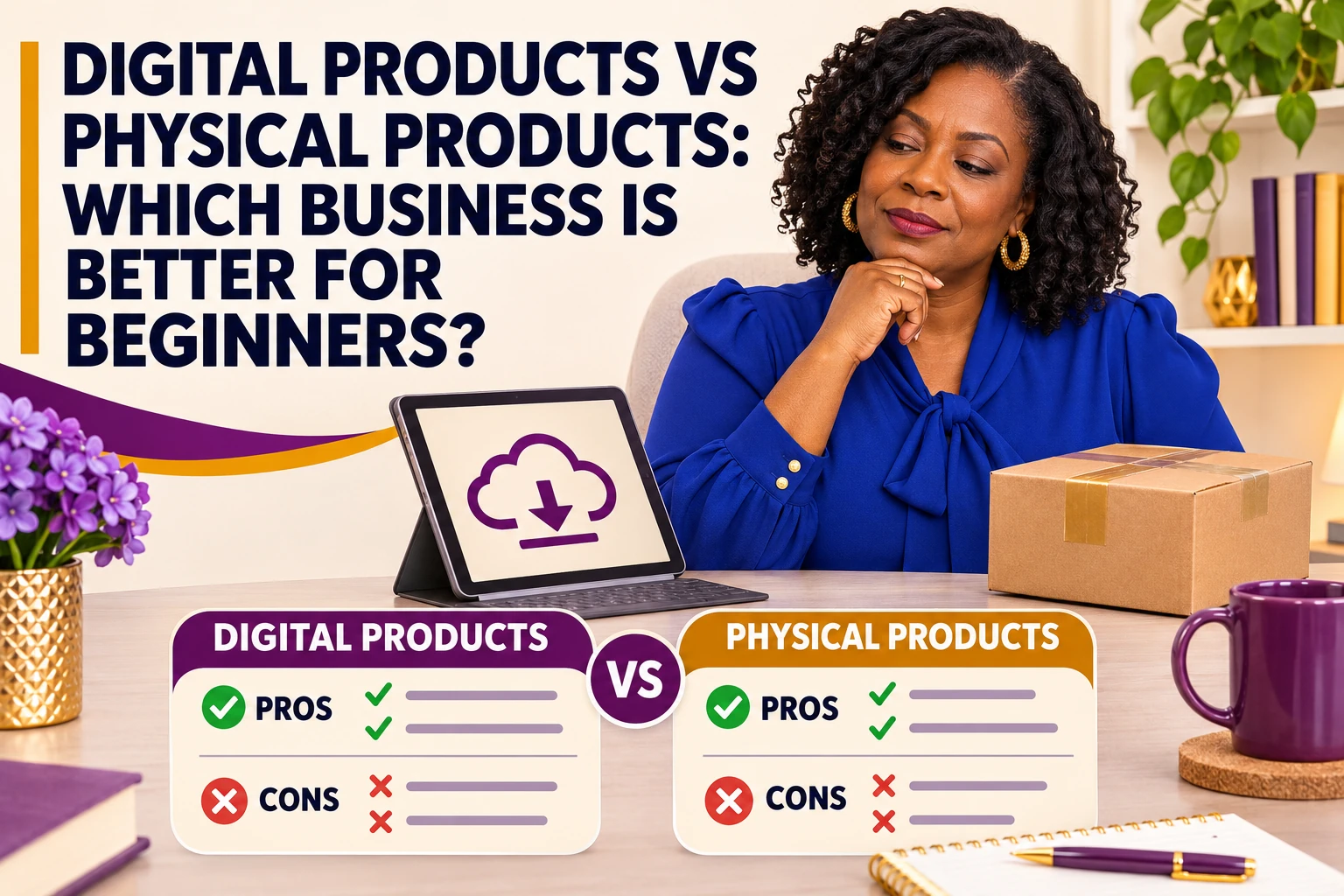
Digital products are files or access-based resources, such as templates, printables, guides, and courses. Physical products require inventory, packaging, shipping, or production. Both can help people, but the responsibilities are different.
Compare the work, not just the idea
Use the same questions for both models: What does the customer need? What will you need to create and deliver? What costs, time, and customer support will be involved?
- Consider your starting budget and recurring costs.
- Think about delivery, inventory, packaging, and storage.
- Consider the time needed to update or remake the product.
- Look at the skills you already have or want to learn.
- Choose a small first test instead of committing to a large collection.
OTHER RELEVANT BLOG POST TO CHECK OUT
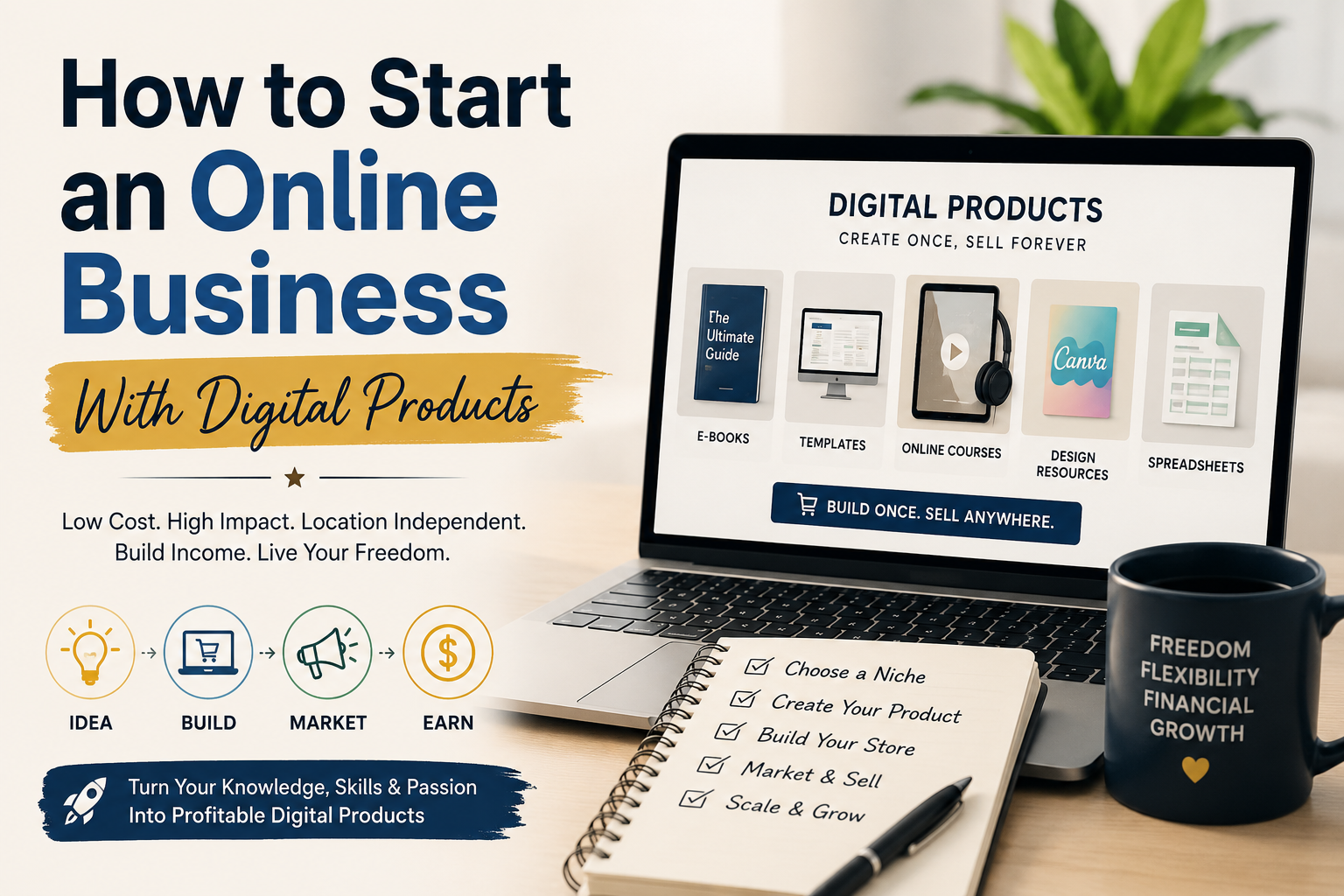
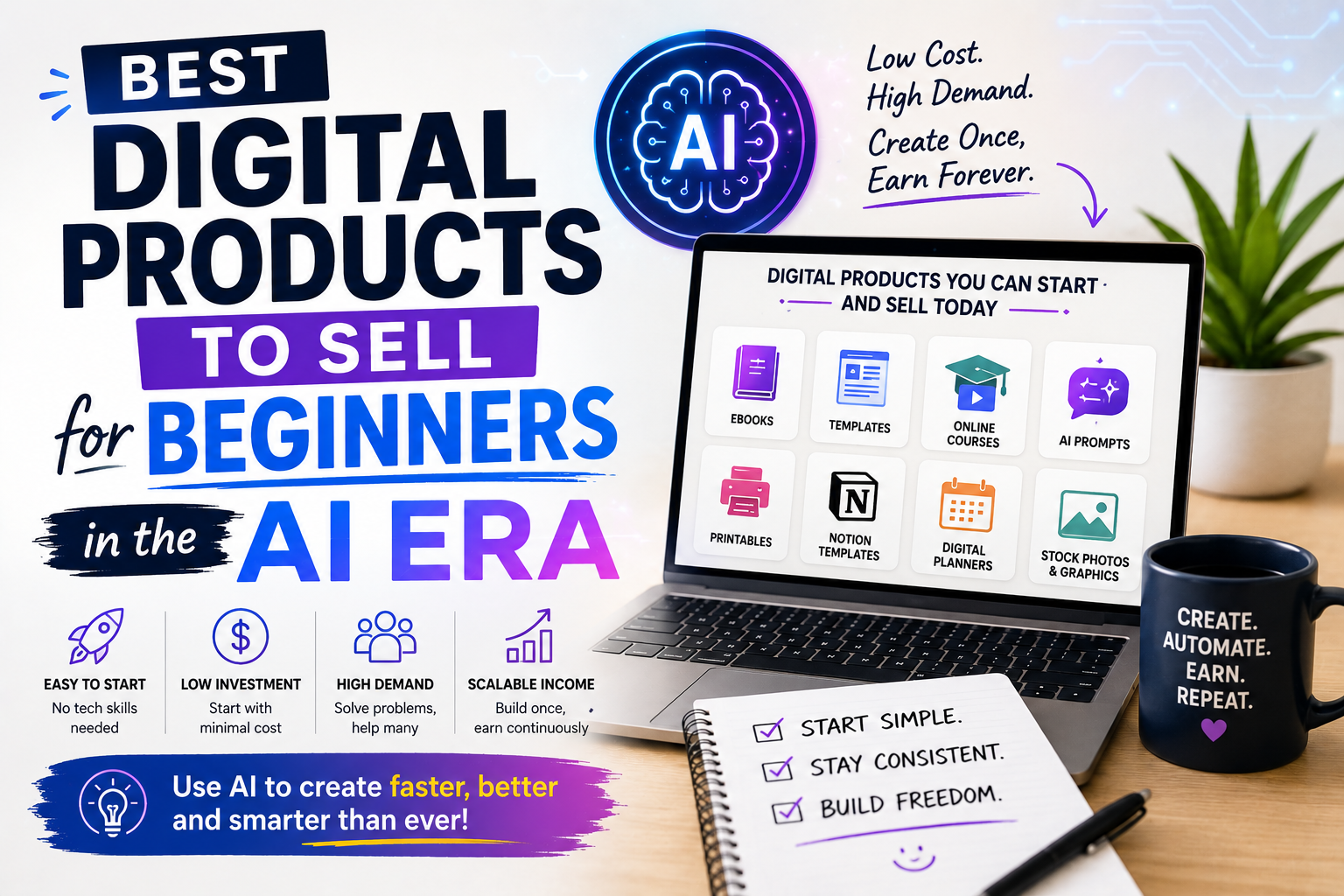
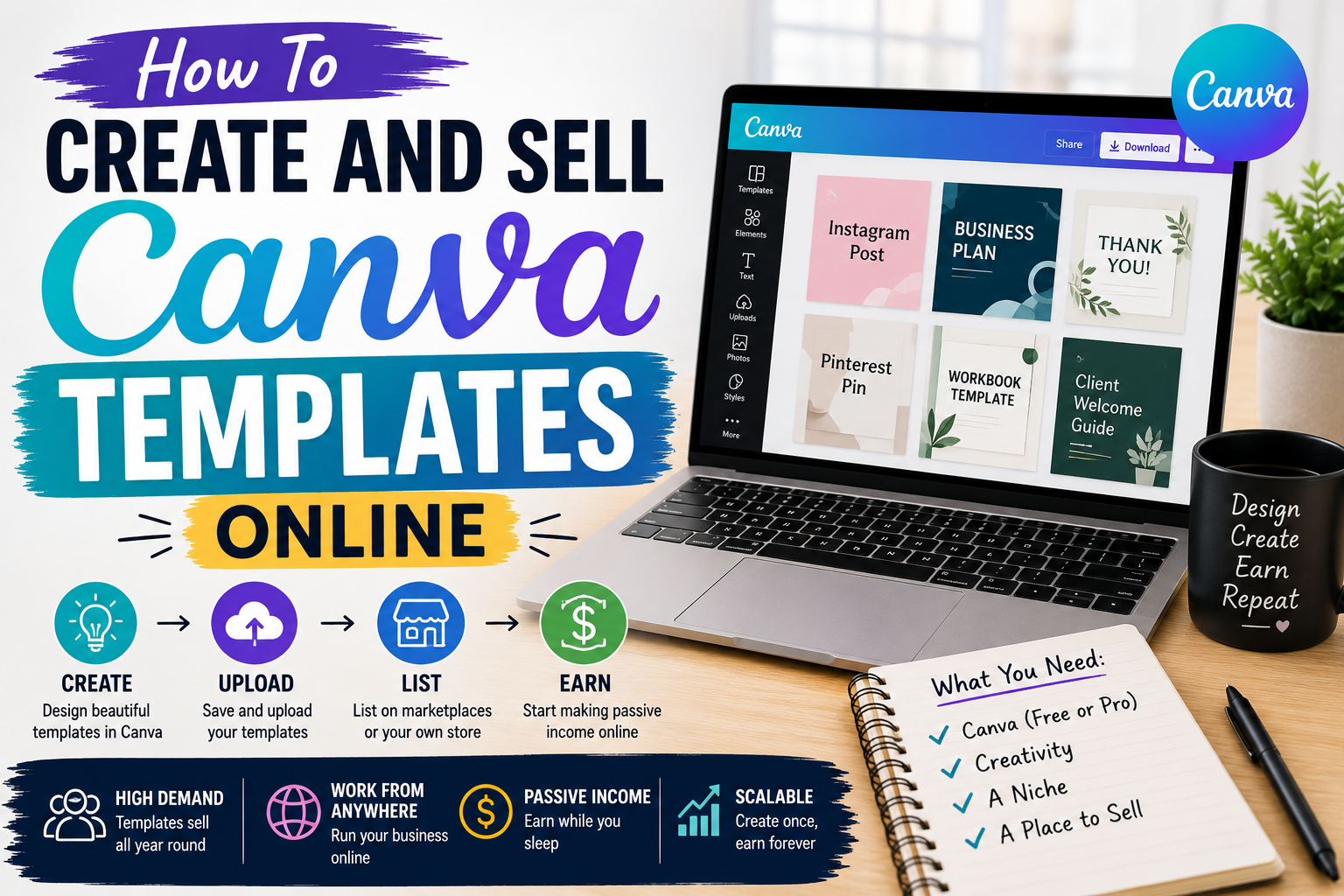
The comparison that matters most
1. Startup costs
Digital products may be created with lower material costs because there is no physical inventory. Physical products can require samples, packaging, storage, or a supplier. Either model still needs thoughtful planning and a realistic budget.
2. Delivery and fulfillment
A digital file can be delivered automatically once the customer buys it, while a physical item needs picking, packing, shipping, and tracking. Consider which customer experience you are ready to manage.
3. Updates and quality control
Digital products can be updated after feedback, but you need clear version control and download instructions. Physical products may need samples, quality checks, and returns handling.
4. Creative fit
If you enjoy teaching, organizing information, or designing reusable resources, digital products may fit. If you love making tangible objects, packaging, or product photography, physical goods may feel more natural.
5. Customer expectations
A physical buyer may care about texture, size, and delivery timing. A digital buyer may need simple instructions, compatible files, and confidence that the resource solves the promised problem.
A beginner-friendly test
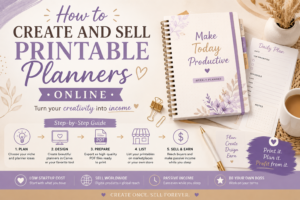
If you make handmade planners, you could test a printable planner before ordering a large quantity of physical stock. That does not mean digital is always better. It simply lets you learn what customers want with a smaller first experiment. Explore how to create and sell Canva templates online for an example of a digital-first format.
Avoid one-size-fits-all promises
Digital products vs physical products for beginners is a comparison, not a contest. Be careful of claims that one model is effortless or guaranteed to earn more. The best choice is the one you can create, deliver, and improve responsibly.
A practical digital products vs physical products for beginners checklist
When you are working on digital products vs physical products for beginners, do not try to fix every part of your business at once. Choose one small action that improves the customer’s experience today. That might be clarifying a title, asking a better question, simplifying a page, or testing a file. Small changes are easier to complete, and they give you clearer information about what to do next.
The clearest decision often comes from a small experiment. If you feel drawn to physical goods, you might begin with one sample or a very limited collection before holding large inventory. If you prefer a digital format, make a simple version and test the instructions and download process. The point is not to prove one model is superior. It is to learn which work you can deliver well and which experience your customer values.
- What recurring costs can you comfortably manage?
- How will the customer receive the product?
- What quality checks will you need before delivery?
- Which format fits the problem you want to solve?
- What is the smallest realistic test you can run first?
Use a short review session
Set aside twenty quiet minutes this week to review your work without judgment. Read the product description, open the sample, and imagine the moment a first-time customer sees it. Write down one thing that feels clear, one thing that could confuse someone, and one next action. This kind of review makes digital products vs physical products for beginners feel like a repeatable skill instead of a stressful guessing game.
Let real feedback guide the next version
You do not need to accept every suggestion, but you should notice patterns. If several people ask the same question, that is a sign to improve an instruction, add an example, or change the way you introduce the product. Keep a simple note of questions and ideas. Over time, those notes can guide product updates, new blog posts, and related resources that make your offer more useful.
Use a small comparison before you commit
Suppose you enjoy creating stationery. You might be tempted to order a large batch of physical planners immediately. A smaller first step could be to compare the cost, storage, packaging, and delivery questions with a printable planner version. That does not decide the answer for you, but it gives you a clearer picture of what each model asks of your time and energy.
You may discover that you enjoy the hands-on process of packaging a physical product, or you may prefer improving a digital file and helping customers download it. Either result is useful. The goal is to make a thoughtful choice based on your real capacity, not somebody else’s highlight reel.
- Write down the customer problem first.
- List what it takes to create and deliver each option.
- Estimate your starting costs without guessing.
- Consider storage, updates, and customer questions.
- Choose one small test instead of a large commitment.
- Review what you enjoyed and what felt difficult.
What to notice as you move forward
Your first decision does not have to be permanent. A small test can lead to a better second product. Digital products vs physical products for beginners becomes much easier to assess when you pay attention to the work you can consistently deliver.
Make a decision you can support
Before choosing digital or physical products, write down what you can realistically manage in the first month. Include the time you have, the space you have, the tools you need, and the kind of customer service you are comfortable providing. This is not about limiting yourself. It is about choosing a starting point that lets you deliver well.
You can also learn from your first test without locking yourself into one model forever. A digital template might help you learn what buyers need before you design a physical version. A physical product might reveal that customers also want a digital care guide or planning tool. Let the customer problem lead the format.
- List your available time and starting budget.
- Name the delivery work each model requires.
- Test one small version before scaling.
- Keep notes on customer questions and preferences.
- Choose the next step based on evidence, not pressure.
The goal is not to choose the trendiest model. It is to build a business experience that works for you and helps the people you want to serve.
Frequently asked questions
Are digital products cheaper to start than physical products?
They can have lower material and fulfillment costs, but you still need time, tools, clear product information, and customer support.
Do physical products sell better than digital products?
Not automatically. Sales depend on the customer need, the offer, the message, and how well you deliver the experience.
Can I sell both digital and physical products?
Yes. Some businesses use a small digital product to support a physical offer, such as a care guide, planner, or design resource.
What is easiest for a beginner?
A small digital checklist, template, or guide can be easier to test because it avoids inventory, but choose the format that fits your skills and audience.
Do I need a website to start?
A website can support your long-term brand, but the key is a clear place for customers to understand and receive the product.
Choose the business model you can serve well
When you compare digital products vs physical products for beginners, choose the path that fits the problem you want to solve and the work you can consistently deliver. Begin small, learn from real customers, and improve with care.